

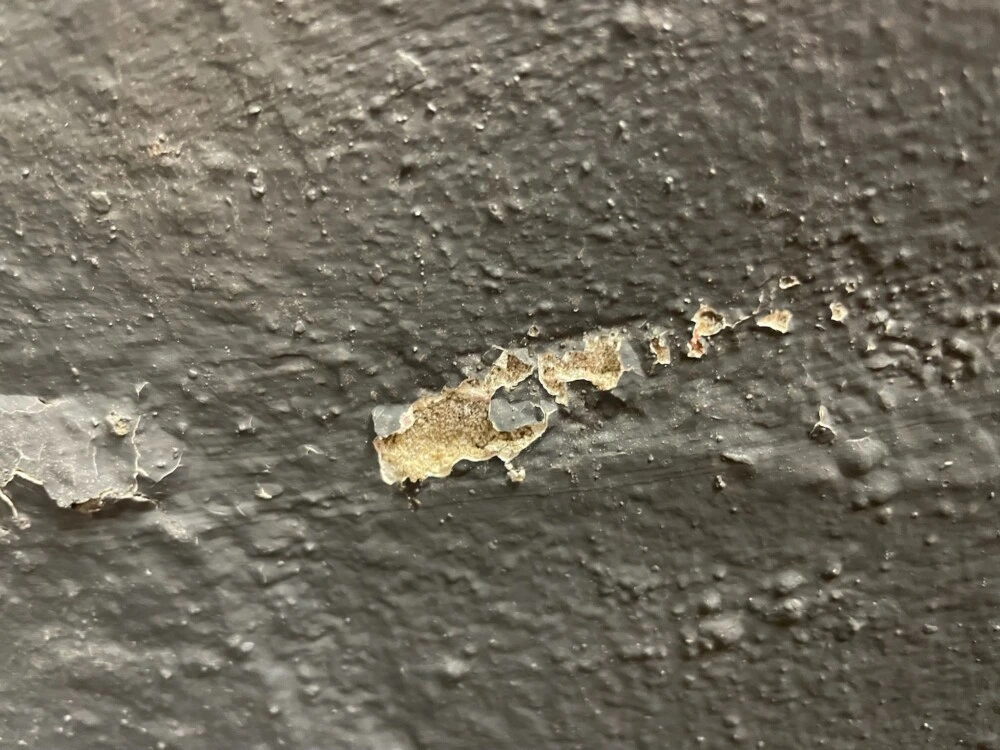
Most people don’t think twice about old paint. It’s just paint. Sand it again, apply a fresh coat, and move on. But in buildings built before the 1990s, that assumption has cost people more than just a bad paint job. What’s sitting in those layers isn’t always just pigment and water.
The issue of asbestos in paint coatings in Auckland affects far more properties than most owners realise, particularly houses and commercial buildings from the mid-20th century. Property Solutions has seen this firsthand. Many clients only find out during a renovation, which is the worst possible time to discover it. A bit of awareness upfront changes everything.
What Actually Is Asbestos Paint?
People hear “asbestos” and picture roofing tiles or old pipe lagging. Fair enough. But it was also used as an additive in paints, primers, and textured surface coatings, mixed in specifically because it made products tougher, more fire-resistant, and longer-lasting.
Manufacturers weren’t secretive about it. It was considered a feature.
The problem is that those coatings are still on walls, ceilings, and exterior surfaces across Auckland, just sitting there, looking completely normal.
Where We Can Still Find Asbestos Today
Asbestos made its way into a wide range of products, and if your building is pre-1990, there’s a strong chance some of them are present.
Things worth watching for include:
- Textured or “popcorn” ceiling coatings, common in homes from the 1950s through the 1980s
- Exterior paints applied over masonry, fibro sheeting, or concrete
- Decorative wall finishes in living areas and hallways
- Certain primers and undercoats used during that same period
That said, finding one of these doesn’t automatically confirm the presence of asbestos. It means testing is worth doing before any work starts, not after.
The Part Most People Get Wrong
Intact asbestos paint, left completely alone, isn’t causing active harm. That’s actually worth knowing. The danger starts when it’s disturbed.
Sanding, scraping, drilling through it, and even high-pressure washing in some cases can release fibres into the air. Once airborne, you can’t un-breathe them. They lodge in lung tissue and stay there.
The health conditions that follow, including mesothelioma, asbestosis, and certain lung cancers, often don’t appear for decades. That’s the difficult part of asbestos exposure. Nothing feels wrong at the time, so people don’t connect cause and effect until long after it matters.
Tradespeople doing renovation work carry the most direct risk. But family members in the house during the job, other contractors on site, and sometimes even neighbours, depending on airflow, can all be affected if fibres aren’t properly contained.
How Do You Know If It’s There?
Here’s the worst part. You can’t see it. No visual check or hands-on test will tell you whether asbestos is in old paint. The fibres are microscopic, and the coating looks no different from anything else on the wall.
Fortunately, you can think about context.
If the property was built or last significantly renovated before 1990, that’s enough reason to pause before any surface preparation begins. It is worth investigating further if you’ve got:
- Ceilings with a textured finish that’s never been stripped back
- Multiple layers of old exterior paint that resist standard preparation methods
- Any surface that feels unusually hard or brittle when you attempt to sand it
From there, testing is the only reliable answer.
A small sample gets sent to an accredited laboratory. It’s not a lengthy or expensive process, and it gives you a clear answer before work begins rather than a problem to manage once it’s already underway.
What Happens After Testing
You will have two main options: removal or encapsulation.
- Removal: Removal means it’s gone. A licensed contractor strips the affected surfaces under controlled conditions with the right equipment and safety protocols. In New Zealand, this work must be carried out by someone with the appropriate certification. Unlicensed asbestos removal is illegal in most situations, and those rules exist for good reason.
- Encapsulation: Encapsulation is the alternative when full removal isn’t practical right away. A specialist coat goes over the surface and seals the fibres in place, preventing them from becoming airborne during normal use. It’s a legitimate approach, particularly when the affected coating is still in reasonable condition.
Now, which option makes sense? It depends on the extent of the affected area, the condition of the surface, and what you plan to do with the space long-term.
That’s a decision best made with someone who’s actually assessed the property.
Conclusion
Asbestos in old paint isn’t a rare edge case. It’s a documented reality across a significant number of Auckland homes and commercial buildings, and it doesn’t announce itself.
Property Solutions works with owners to assess what’s on their walls and deal with it the right way. If you’re planning renovation work on an older building and haven’t had the surfaces checked, that’s the first step. Reach out before the job starts, not halfway through it.