

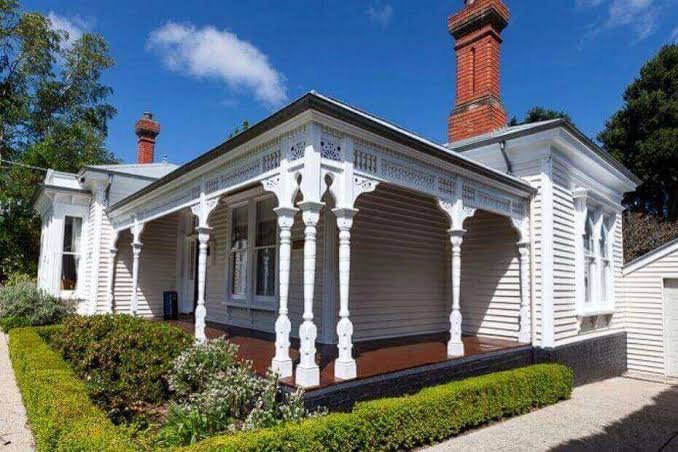
Most buyers judge a house before they reach the front door. Flaking weatherboards, marked walls, and tired trims all whisper the same thing: there’s work to do, and someone will pay for it.
A fresh coat of paint quickly rewrites that first impression. When it comes to home value improvement, few jobs give you this much visual return for the time and money spent, which is why painting usually tops the pre-sale list.
Below, we look at how painting improves property value, where to focus, and the slip-ups that can cancel out your effort.
Can Painting Increase Property Value?
It can, but the lift comes from how buyers see the home, not the paint itself. People seldom tally up what a repaint would cost; instead, they assess condition, upkeep, and how much they’ll need to fix after moving in.
A tidy, well-applied finish signals that the place has received care. That confidence often shows up as stronger offers and less haggling. Paint won’t hide structural problems, but it can increase home value in the market’s eyes.
How Fresh Paint Improves First Impressions
First impressions now happen on a phone screen, well before any open home. Rooms with clean, even paintwork photograph brighter and feel roomier, and that alone nudges more people to book a viewing.
The benefit carries through to the visit. When walls are crisp and trims are neat, buyers notice the layout and natural light, not scuffs and patch jobs. Worn paint has the reverse effect. It makes people wonder what else has been neglected.
Interior Painting and Buyer Appeal
Indoors, paint plays a big part in whether buyers can imagine living there.
Neutral walls in excellent condition work like a blank page. Buyers can picture their own sofa and artwork without imagining a weekend of repainting. A new coat also hides dents, nail holes and old water stains that make rooms feel tired.
Give ceilings, skirting boards and doors some attention too. They’re easy to skip during a paint job (and just as easy for a buyer to spot).
Exterior Painting and Property Presentation
Your home’s exterior sets the tone in the listing photos and the moment buyers pull up.
Peeling paint, chalky boards, and sun-faded fascias suggest maintenance has slipped, and buyers often estimate the repair bill higher than it really is. Repainting sharpens street appeal and reassures them the surfaces are sealed against the elements.
Salt air, strong UV and heavy downpours make Auckland hard on paintwork, so the right coating matters. If yours is overdue, our exterior painting services in North Shore handle weatherboards, render, fascias and soffits as one project.
Choosing Paint Colours for Better Market Appeal
The colours you choose can attract more buyers or quietly narrow the field.
Soft whites, warm greys and muted earthy tones sit well with most décor and make rooms feel airier. A bold feature wall might suit your style, but it can turn some buyers off or leave them adding a repaint to their budget.
For the exterior, go with shades that complement the home’s design and don’t clash with the neighbours.
Which Areas Should You Paint Before Selling?
If time or money is tight, start where buyers look first.
When painting before selling, start with the front door, entry and main exterior walls. Inside, prioritise the lounge, kitchen and main bedroom first, then the hallways and any room with obvious marks or outdated colours.
Window frames, trims and doors don’t take long to refresh, but they noticeably lift the whole finish.
Common Painting Mistakes That Can Reduce Appeal
A hurried paint job can leave a home looking worse than before.
Poor preparation causes the most trouble. Paint applied over flaking layers, mould, or cracks will soon bubble and peel, and buyers will notice straight away.
Uneven coverage, obvious brush strokes and splashes on fittings make the work look half done. Budget paint can also fade or scuff early, defeating the whole point.
Painting as Part of a Wider Home Value Improvement Plan
Paint works best when it’s part of a bigger tidy-up.
Combine it with simple home improvements like plaster repairs, new handles and light fittings, a neater garden and a deep clean. Together, these touches show a home that’s cared for from the kerb to the back bedroom.
Paint is what pulls it all together, so each upgrade feels planned rather than patched on.
Frequently Asked Questions
Does painting help a house sell faster?
Often, yes. Freshly painted homes photograph well, attract more interest and give buyers fewer reasons to stall or push for a lower price.
What paint colours are best when selling a home?
Neutral tones like soft whites, warm greys and light earthy shades tend to work best. They appeal to more buyers and make rooms feel brighter and bigger.
Should I paint the interior or exterior first?
If the outside looks noticeably worn, tackle it first, because it shapes that opening impression. If not, start with the main living spaces. Exterior painting also needs dry weather, so time it with the season.
Which rooms should I paint before selling?
Start with the lounge, kitchen, main bedroom and entry. If the budget allows, add hallways and any marked or strongly coloured rooms.