

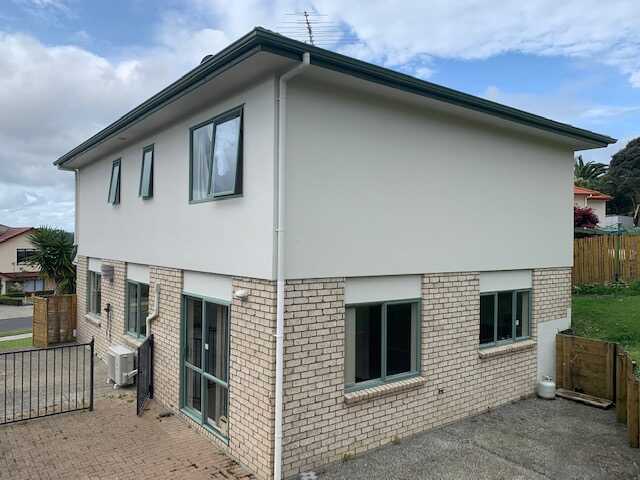
Property Solutions works with owners of villas, bungalows, and other heritage homes across New Zealand, and one thing comes up in almost every project: what you’re allowed to change before you start.
Older homes often carry heritage protections that newer builds don’t, and getting that wrong can mean costly delays partway through a project.
Restoration isn’t only about matching the original look. It also means checking the timber structure underneath, since homes built before 1930 have often been exposed to decades of moisture.
Navigating Heritage Regulations and District Plan Restrictions
Historic home restoration usually starts with your council’s district plan, not the hardware store. Many older homes are listed as heritage properties, which can restrict what you can change on the exterior.
If your property is scheduled, even a straightforward repaint may need approval for colour and product choices. Working with painters who understand heritage requirements, such as our residential painters in North Shore, Auckland, helps avoid resubmitting paperwork.
Not every older home has strict legal protection. It depends on whether your district plan lists the property, so checking with your council early saves time and money.
Essential Structural Assessments for Vintage and Heritage Dwellings
Before any cosmetic work begins, the underlying structure needs to be checked. Two areas cause the most trouble in pre-1930s homes.
Inspecting Timber Foundations, Piles, Subfloor Ventilation, and Dry Rot
Original timber piles were rarely treated to today’s standards, so they’re prone to rot where they meet damp ground. Poor subfloor ventilation worsens the situation by trapping moisture underneath the house.
A qualified builder or inspector can check the condition of piles, subfloor airflow, and any soft or spongy timber, which usually signals dry rot that needs attention before it spreads further.
Evaluating Original Roofing, Flashing Integrity, and Weatherboard Conditions
Old roofing and flashing details were designed for a different climate reality, so leaks often start at joints, valleys, and chimney flashings rather than in open roof areas.
Weatherboards should be checked for cracking, warping, and soft spots, since damaged boards allow water to penetrate behind the cladding long before any staining becomes visible from the street.
Sympathetic Restorations: Materials and Craftsman Techniques
Once the structure is sound, restoration shifts to materials and detail work that keep a heritage home looking authentic.
Repairing and Preserving Timber Joinery, Sash Windows, and Period Mouldings
Timber joinery restoration usually means repairing original sash windows and mouldings rather than replacing them outright, since period joinery is often better made than modern equivalents.
Damaged sections can be spliced in and matched to the original profile, keeping the window’s character while restoring smooth, working sashes.
Choosing Period-Accurate Exterior Paints, Stains, and Decorative Trim Colours
Period property preservation often hinges on colour choice, as heritage paint ranges from major NZ suppliers include shades matched to villa and bungalow-era palettes.
Getting trim, weatherboard, and sash colours right makes a bigger visual difference than most homeowners expect, especially on street-facing elevations.
Modernising Comfort Without Compromising Architectural Heritage
Character home renovation doesn’t have to mean losing insulation battles. Underfloor and ceiling insulation can usually be installed without touching the original lath and plaster walls.
Double glazing can often be retrofitted into existing timber sash frames, so you can keep the original joinery while improving warmth and reducing noise.
Property Solutions generally advises insulating before repainting, since insulation work can disturb wall and ceiling linings that were just finished.
Developing a Long-Term Preventive Maintenance Schedule for Heritage Property
Heritage house maintenance in NZ works best as a routine, not a reaction. Annual checks on subfloor ventilation, roofing, and paint condition catch small problems while they’re still cheap to fix.
Repainting every seven to ten years, depending on exposure, protects timber before moisture can cause structural damage.
Final Thoughts
Restoration preserves the window’s original look while improving insulation and reducing outside noise, making it well-suited to most heritage properties.
Restoring a heritage home rewards patience more than speed. Checking regulations, assessing the structure, and choosing the right materials all matter more than rushing to the finish.
Property Solutions has seen how much difference careful preparation and the right paint choices make to a heritage home’s long-term condition.
If exterior painting is part of your restoration plan, getting heritage colours and preparation right the first time will help you avoid having to repeat the work sooner than expected.
Frequently Asked Questions
Do I need council permission to paint the exterior of a scheduled heritage house?
Yes, if your home is listed as a heritage item in your district plan, exterior colour changes usually need council approval first.
Unlisted older homes generally don't need this approval, though it's worth confirming with your council if you're unsure of your property's status.
How can I insulate an older character home without removing the original lath-and-plaster walls?
Underfloor and ceiling insulation are usually the easiest options, since both can be installed without disturbing the original wall linings.
Wall insulation is possible too, but it typically requires more specialist care to protect lath and plaster during the work.
What are the most common structural problems found in pre-1930s New Zealand houses?
Rotting timber piles, poor subfloor ventilation, and deteriorated roof flashings are among the most common issues found in homes this age.
Weatherboard damage and moisture trapped behind cladding also occur frequently, especially where maintenance has lapsed for several years.
Can original timber sash windows be retrofitted with double glazing?
Yes, many original sash windows can be retrofitted with slim double-glazed units without replacing the surrounding timber frame or altering its appearance.